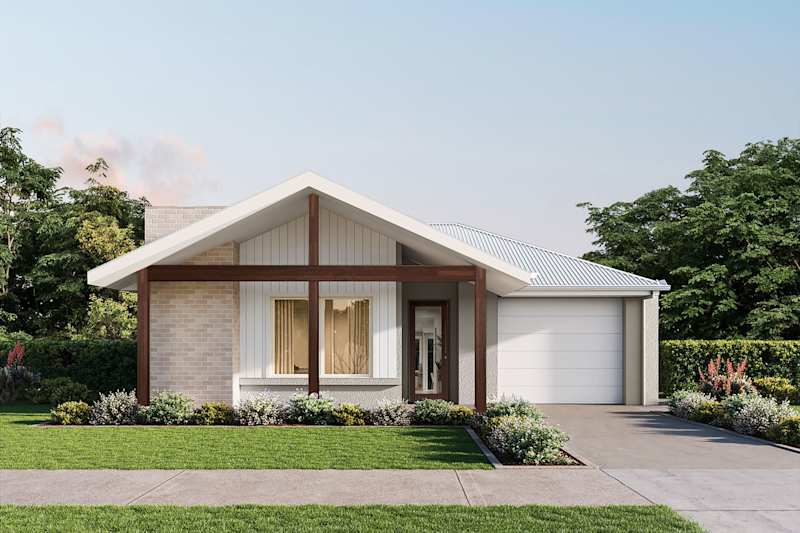
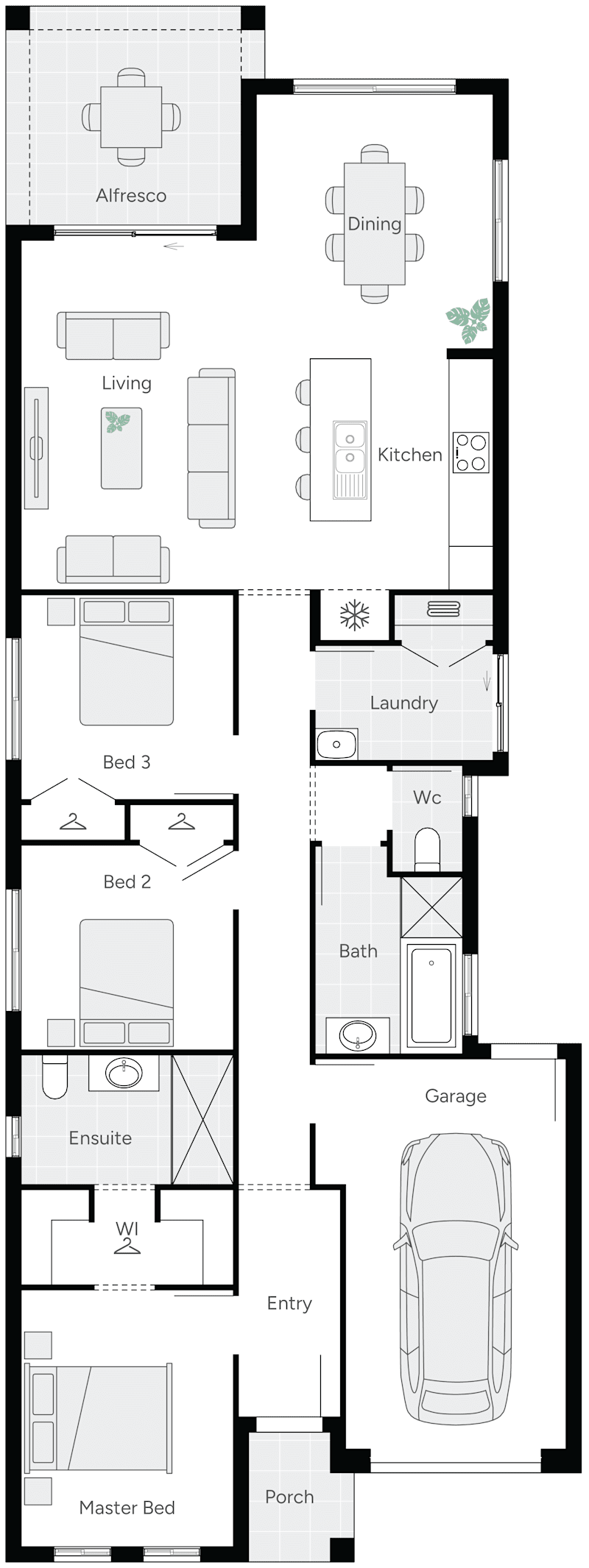
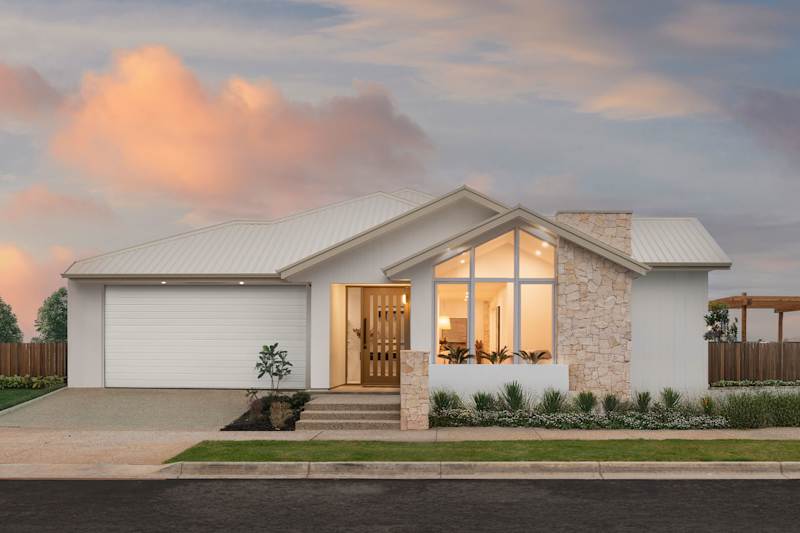
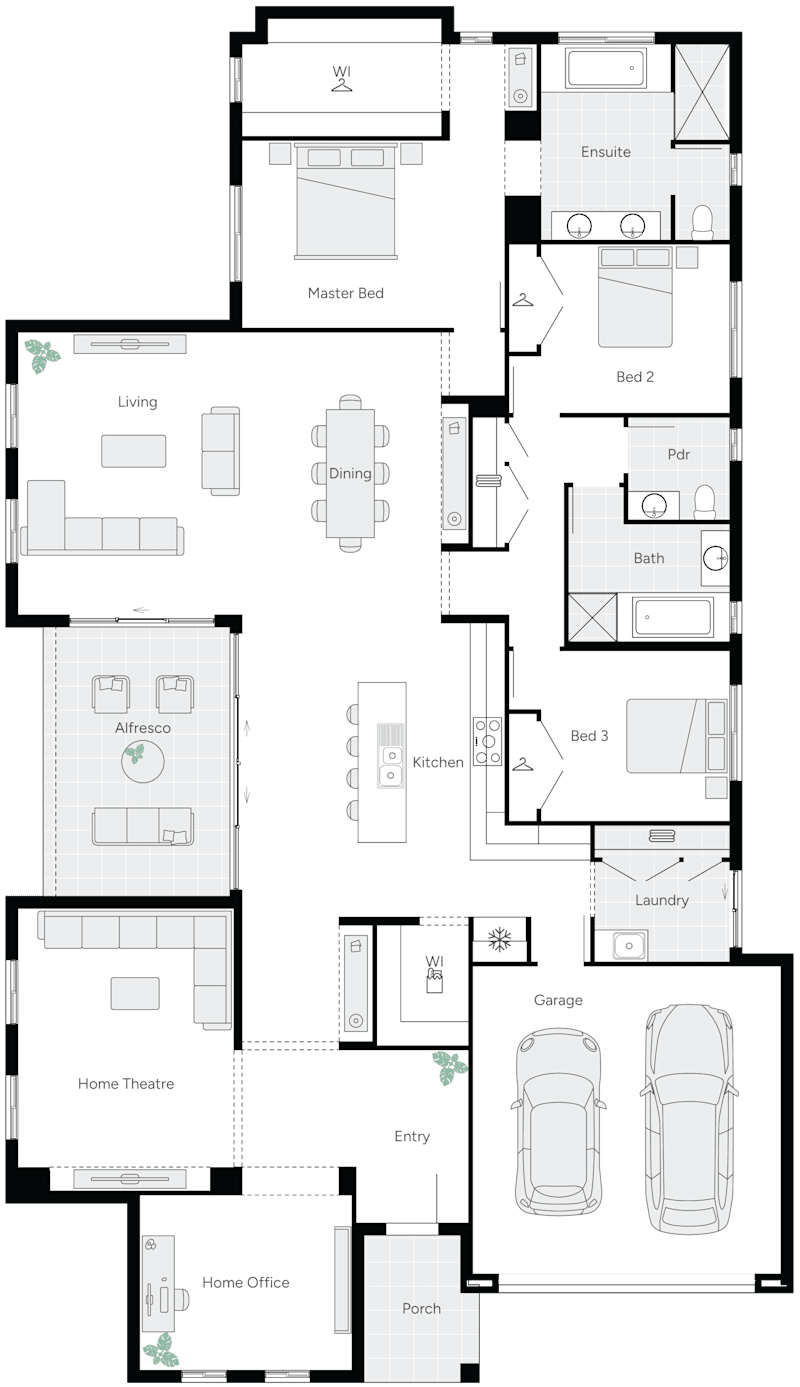
For first home buyers in South Australia, one of the biggest barriers to building a new home has traditionally been stamp duty. Recent State Government reforms have significantly changed the landscape, creating new opportunities for buyers and providing a welcome boost to the residential construction sector. For home builders, understanding these changes is essential when helping clients navigate the home-building journey.
Stamp Duty Abolition: What Has Changed?
South Australia has abolished stamp duty for eligible first home buyers who purchase or build a new home, buy an off-the-plan apartment, or purchase vacant land to build their first home. The policy was initially introduced in 2023 with property value thresholds, before being expanded in June 2024 to remove property value caps altogether for eligible first home buyers.
This means eligible first home buyers can now access a full stamp duty exemption on qualifying new homes and vacant land regardless of the property's value. revenuesa.sa.gov.au, weare.sa.gov.au
Why This Matters for Home Builders
The removal of stamp duty makes building a new home substantially more affordable.
Depending on the value of the property, stamp duty savings can amount to tens of thousands of dollars. For many first home buyers, this reduction in upfront costs can:
- Help them enter the property market sooner.
- Increase their borrowing capacity.
- Allow them to upgrade their home design or inclusions.
- Reduce the amount of savings required before construction begins.
What Properties Qualify?
Eligible first home buyers can receive stamp duty relief when purchasing:
- New Homes
- A newly constructed home that has not previously been occupied or sold.
- House and Land Packages
- Many turnkey and custom build packages qualify under the scheme.
- Vacant Land
First home buyers purchasing land to build their first home can also access the relief.
What Doesn't Qualify?
The stamp duty exemption generally does not apply to:
- Established homes that have previously been occupied.
- Investment properties that are not intended to be the buyer's principal place of residence.
- Buyers who have previously owned residential property in Australia and therefore do not meet first home buyer requirements.
This distinction is important for builders and sales consultants to communicate clearly to prospective clients considering both new and established housing options.
Who Is Eligible?
To access the exemption, buyers must generally:
- Be a first home buyer.
- Be a natural person rather than a company or trust.
- Meet citizenship or residency requirements.
- Occupy the property as their principal place of residence.
- Satisfy RevenueSA's first home buyer eligibility criteria. revenuesa.sa.gov.au
Eligibility requirements can change over time, so buyers should seek current advice from RevenueSA or their conveyancer before signing contracts.
The First Home Owner Grant Still Applies
One of the most attractive aspects of the reform is that the stamp duty exemption can be combined with South Australia's First Home Owner Grant (FHOG).
Eligible buyers building or purchasing a qualifying new home may still receive the $15,000 First Home Owner Grant in addition to the stamp duty exemption.
This combination can significantly reduce the cost of entering the housing market and make building a new home more achievable for many South Australians.
Disclaimer: Eligibility requirements and government incentives can change. Home buyers should seek advice from RevenueSA, their mortgage broker, conveyancer, or financial advisor to confirm their eligibility before entering into a contract.